Something fascinating is happening at the intersection of open source software and online gaming formats like the popular www slotaviatorgame com. While many players simply see a fast-paced multiplier screen and an exciting “cash-out before the crash” mechanic, behind that interface there’s an undercurrent of open source technologies and community code that makes experimentation and innovation more accessible to developers everywhere.
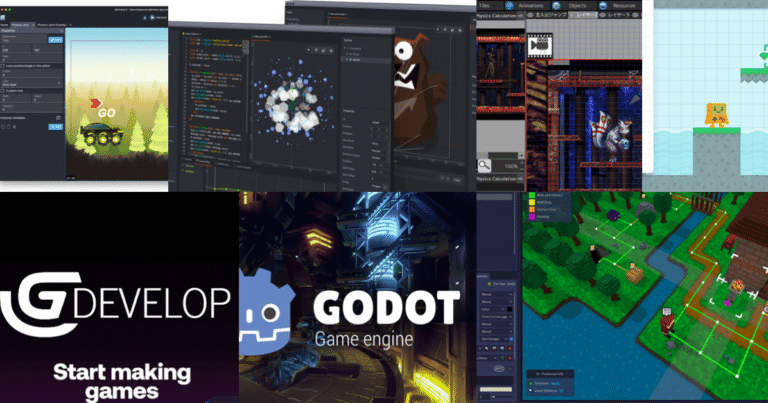
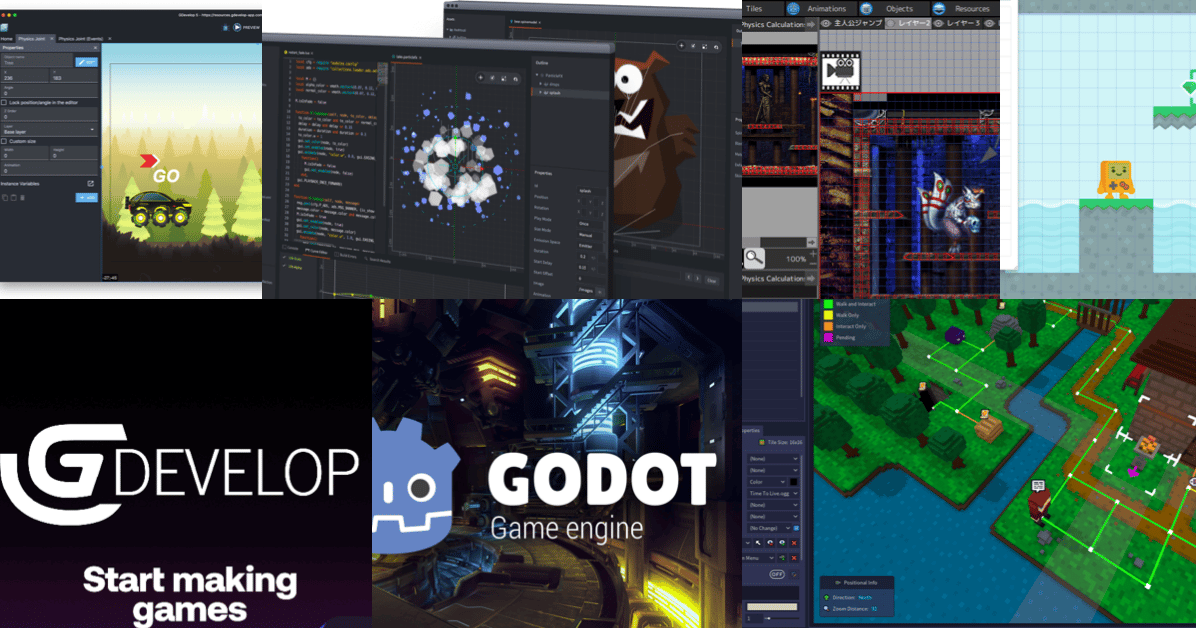
Over the past few years, open source game frameworks like the Starling Framework — a cross-platform open source game development library — and engines such as jMonkeyEngine have given indie developers tools to prototype and build 2D and 3D interactive experiences without costly proprietary software. These frameworks are part of a wider ecosystem where programmers freely share code, learn from one another, and adapt components for new projects. That’s the context in which crash-style games like the Aviator concept are not just played but built by curious developers experimenting with available code, real-time communication stacks, and open technologies.
Community repositories on platforms such as GitHub show multiple implementations of crash game logic, with source code written in JavaScript and modern front-end frameworks that demonstrate real-time multiplier updates and multiplayer interaction. These open codebases don’t just serve hobbyists; they give students and freelance coders the chance to see how architecture, state synchronization, and server-client communication come together in a live game loop. Contributors can fork a repository, customize visuals and mechanics, and learn through hands-on development — something proprietary engines often hide behind closed doors.
The open source influence extends beyond the core game mechanics too: graphic libraries, animation toolkits, and shared modules for handling networking or databases create a modular development landscape. It means someone interested in gaming tech can explore how a crash game works by reading, altering, and even redistributing code, rather than reinventing the wheel from scratch. The result is a vibrant, collaborative culture where innovation spreads quickly and new ideas often start from the same publicly available building blocks.